
European Week of Regions and Cities 15-10-2025
Staying powerful: accelerating a successful transition in automotive regions
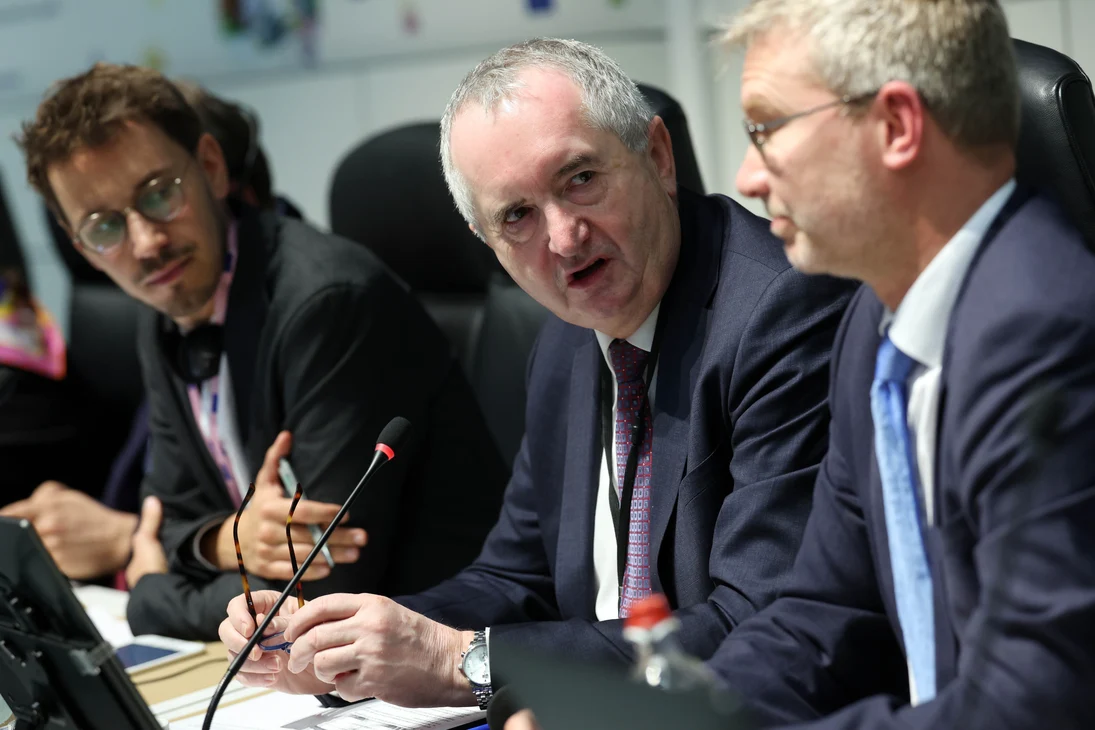
CoRAI Chair Thomas Schmidt.
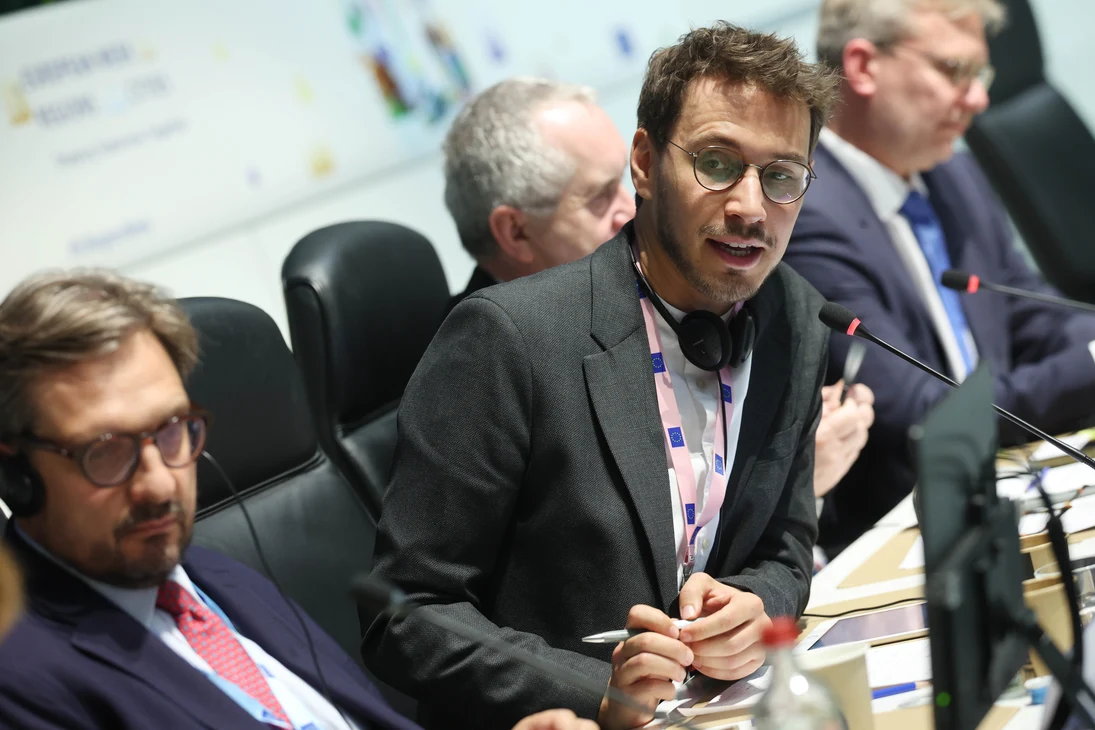
Moderator Gottfried Haufe.
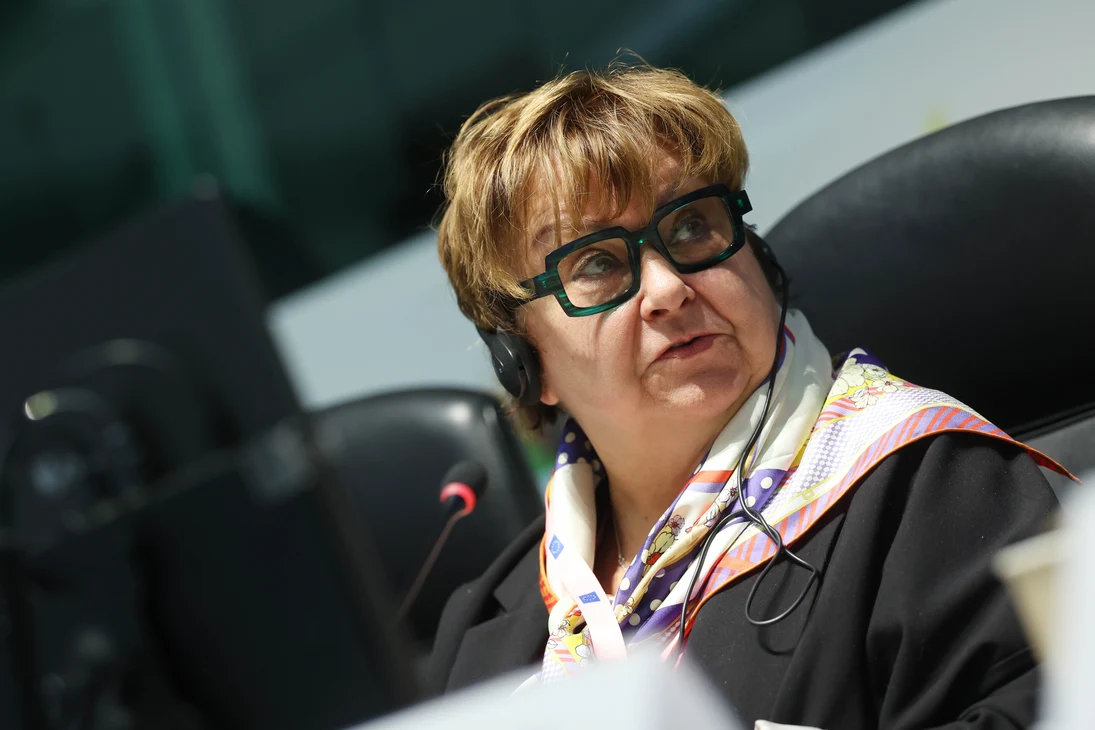
Brigitte Torloting, Vice-President of the Grand Est Region.
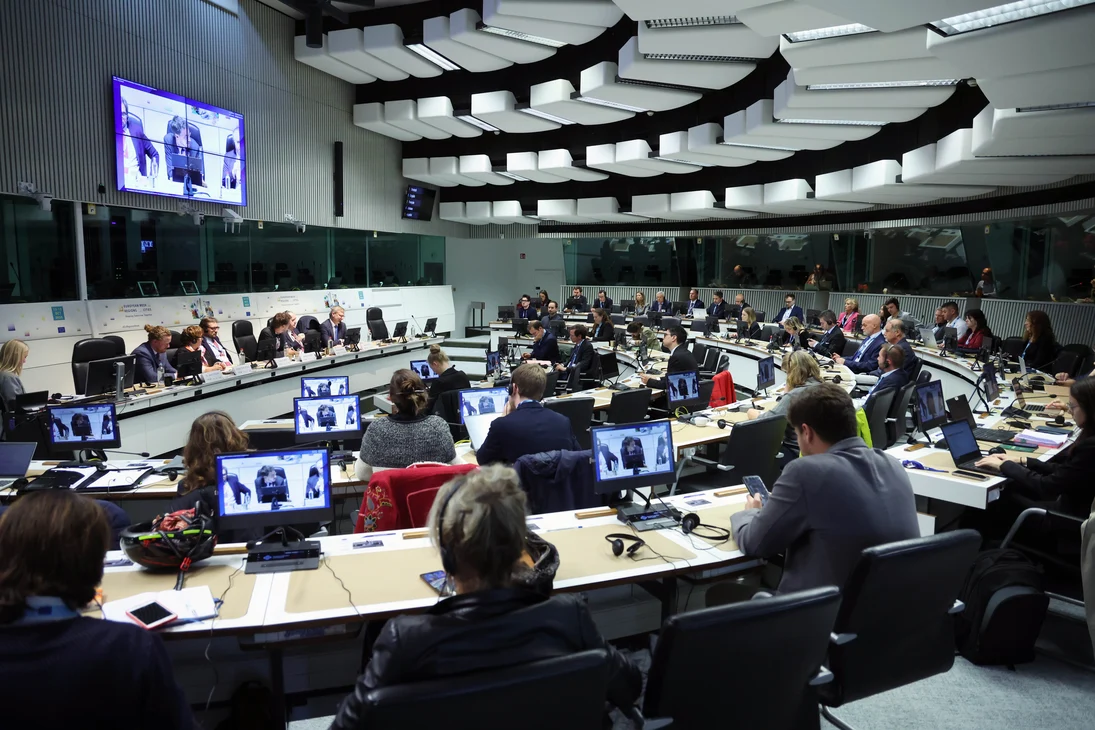
Participants of the Policy Debate.
Dr. Jakub Stolfa, President of the Automotive Skills Alliance.
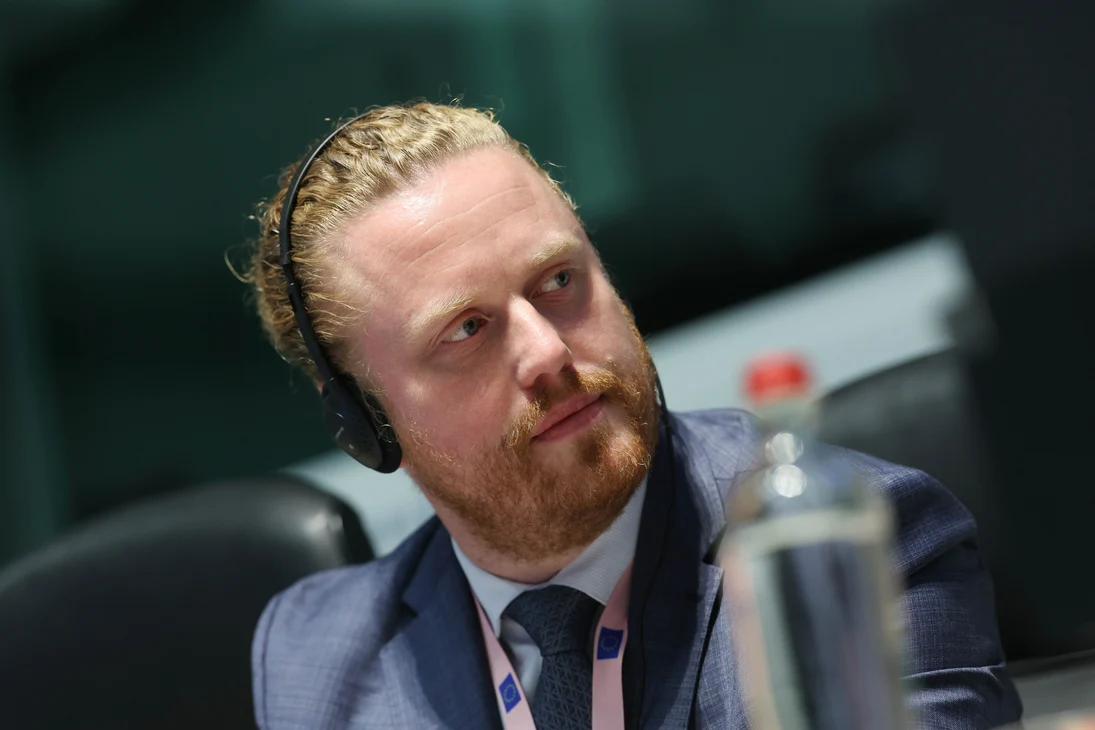
Mark Nicklas, European Commission (DG GROW).
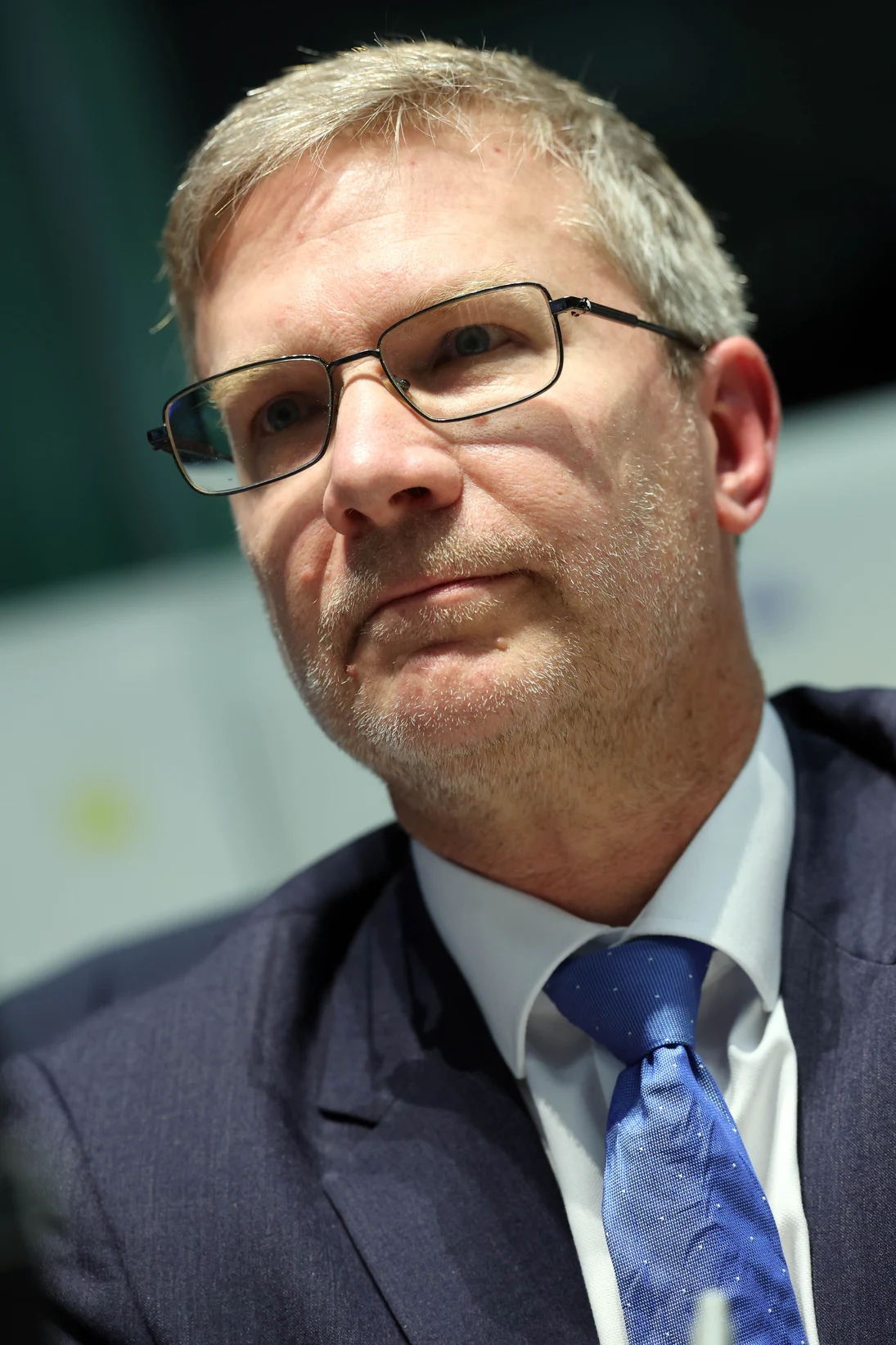
Guido Guidesi, President of the Automotive Regions Alliance.
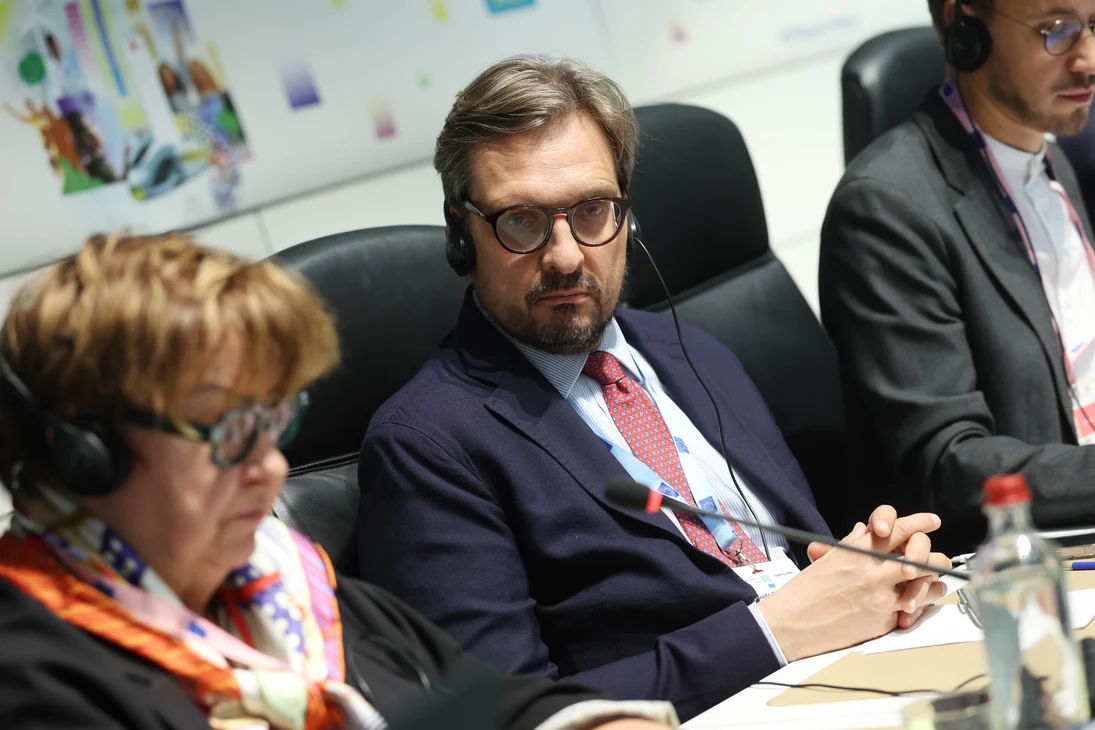
During European Week of Regions and Cities in Brussels, representatives from the automotive regions of Saxony, Grand Est (France) and Lombardy (Italy) joined forces with the European Commission to discuss ways of successfully transforming the automotive industry. Research and innovation were also a key focus here.
The policy debate entitled ‘Staying powerful: accelerating a successful transition in automotive regions’, attracted numerous participants to the European Committee of the Regions on 15 October 2025. The panel speakers were Thomas Schmidt (Chair of the Interregional Group on the Future of the Automotive Industry, CoRAI), Guido Guidesi (President of the Automotive Regions Alliance, ARA), Brigitte Torloting (Vice-President of the Grand Est Region), Jakub Stolfa (President of the Automotive Skills Alliance, ASA) and Mark Nicklas from the European Commission.
A key topic was the widely discussed EU-wide ban on combustion engines from 2035. Thomas Schmidt emphasised: "Bans and rigid deadlines are not the right way to successfully shape the mobility transition. The future belongs to alternative, climate-friendly drive systems." Schmidt also opposed an EU-wide purchase subsidy, arguing that subsidies would be better spent on research, development and investment in industry in order to strengthen Europe's competitiveness.
Vice-President Torloting presented a successful example: the Grand Est region is actively supporting automotive suppliers in their transformation and specifically promoting retraining programmes for employees – an approach that the ASA expressed its strong approval of. ARA President Guidesi called on the EU to revise the CO₂ regulation for passenger cars and light commercial vehicles and to reassess the combustion engine phase-out.
EU Commission representative Nicklas, meanwhile, looked ahead with optimism: initiatives such as the Battery Booster, ‘Made in Europe’ and new tax incentives are intended to strengthen the European automotive industry. In addition, the EU Commission is working on proposals for greening corporate fleets and for an affordable electric car produced in the EU.
Towards the end of the discussion, participants agreed on one point in particular: genuine transformation can only be achieved through joint efforts – when regions, industry, education and social partners across Europe pull together.
